
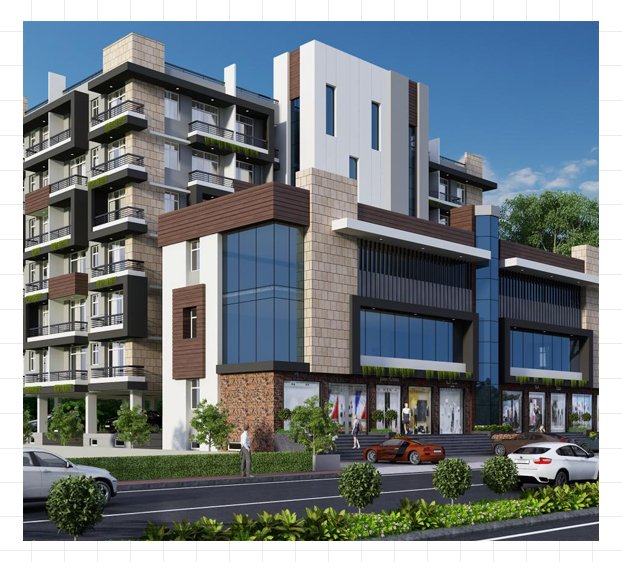
Residential and commercial buildings are integral components of urban and rural infrastructure, serving distinct yet complementary purposes. Residential buildings are primarily designed to provide living spaces for individuals, families, or groups. They can range from single-family homes and duplexes to large apartment complexes and condominiums. These buildings are typically equipped with amenities to ensure comfort and convenience, such as bedrooms, kitchens, living areas, and bathrooms. Some residential structures also include shared facilities like gyms, swimming pools, and parking areas, catering to modern lifestyle needs. The design of residential buildings often emphasizes aesthetics, privacy, and the efficient use of space.
On the other hand, commercial buildings are designed to support business operations and activities. These structures can include office buildings, shopping malls, hotels, restaurants, and industrial warehouses. The layout and functionality of commercial buildings prioritize productivity, customer engagement, and operational efficiency. For example, office buildings may feature open floor plans or partitioned spaces to accommodate different work environments, while retail spaces focus on accessibility and display areas to attract customers.
Warehouses are essential facilities in supply chain management and logistics, designed for the storage, management, and distribution of goods and materials. These structures are strategically located to facilitate efficient handling and transport of goods between manufacturers, suppliers, and customers. Warehouses vary widely in size and design, ranging from small storage units to massive industrial complexes spanning thousands of square meters.
The primary purpose of a warehouse is to provide a controlled environment for goods, ensuring their safety and quality. Features such as shelving systems, pallet racks, and mezzanines are used to maximize storage capacity and organization. Modern warehouses often incorporate advanced technology, such as automated storage and retrieval systems (ASRS), barcode scanners, and inventory management software, to streamline operations and reduce errors.
Warehouses are classified based on their use, including distribution centers, cold storage facilities, fulfillment centers, and raw material warehouses. Distribution centers focus on the efficient movement of goods, typically involving high turnover rates.
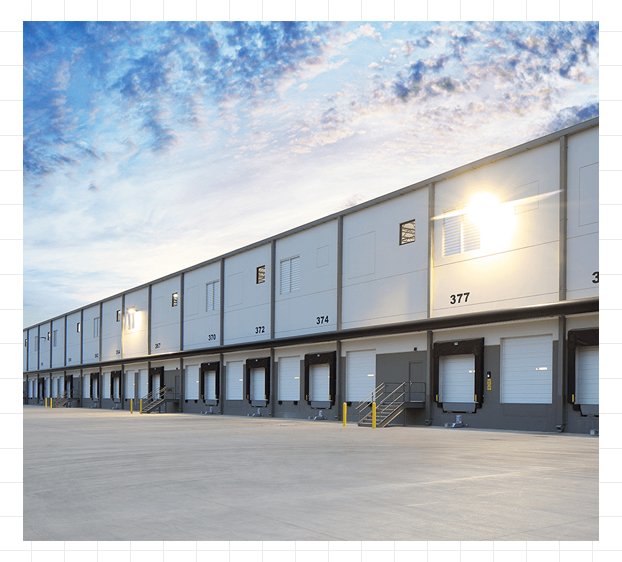

Workshops are specialized spaces designed for hands-on activities such as manufacturing, repairs, crafting, or technical training. These facilities are integral to various industries, including construction, automotive, woodworking, metalworking, and education. A workshop is typically equipped with tools, machinery, and workstations tailored to the specific tasks being performed.
The layout of a workshop is designed to enhance efficiency, safety, and functionality. Common features include workbenches, tool storage, power outlets, and designated areas for specific activities like cutting, welding, or assembly. Larger workshops may also include office spaces, inventory storage, and dedicated zones for heavy machinery. Proper ventilation, lighting, and ergonomic considerations are crucial for maintaining a productive and safe working environment.
Workshops serve different purposes depending on their use. Industrial workshops focus on large-scale production or repairs and often involve heavy machinery such as lathes, milling machines, and hydraulic equipment.
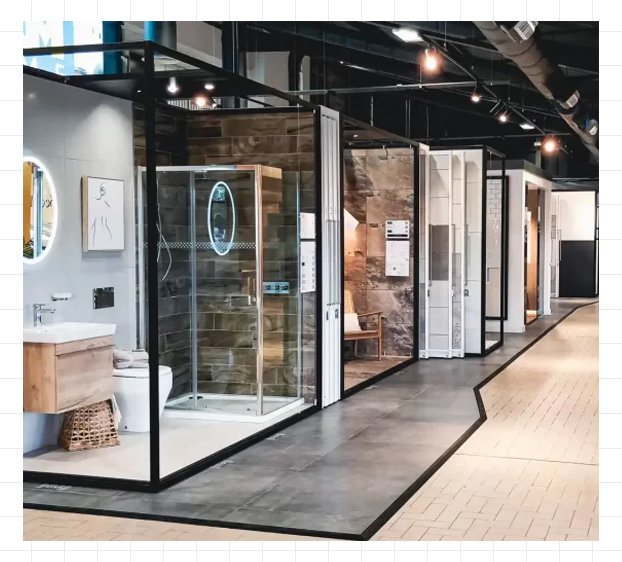
Showrooms are specialized spaces designed to showcase products or services in a way that highlights their features, quality, and appeal to potential customers. They are commonly associated with industries such as automotive, furniture, fashion, electronics, and luxury goods, where physical interaction with the products enhances the customer experience. The primary goal of a showroom is to create an environment that encourages customers to explore, interact, and make informed purchasing decisions.
The layout and design of a showroom play a critical role in its success. Showrooms are typically spacious, well-lit, and aesthetically pleasing to create a welcoming atmosphere. Displays are arranged strategically to maximize visibility and accessibility, often incorporating themed sections, demo areas, or interactive zones. High-quality materials, modern fixtures, and digital displays are commonly used to enhance the visual appeal and professionalism of the space.
Showrooms often include areas dedicated to customer interaction, such as consultation desks, waiting lounges, or multimedia presentation rooms. For example, automotive showrooms may feature sections for car displays, a service desk for inquiries, and private offices for detailed discussions about financing and customization options.
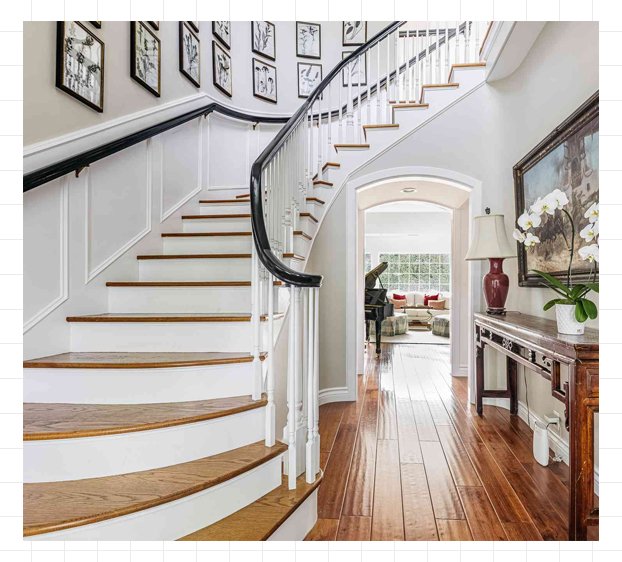
Staircases are essential architectural elements that provide vertical circulation between different levels of a building. They are a functional necessity in both residential and commercial structures, often serving as prominent design features that contribute to the aesthetic and style of a space. Staircases come in various shapes, sizes, and materials, tailored to meet the structural and design needs of a building.
The primary components of a staircase include the steps, consisting of treads (horizontal surfaces where feet rest) and risers (vertical elements between treads). Other elements include handrails for support, balustrades or railings for safety, and stringers, which support the steps on either side. The design of a staircase must ensure comfort, safety, and accessibility, adhering to building codes and standards.
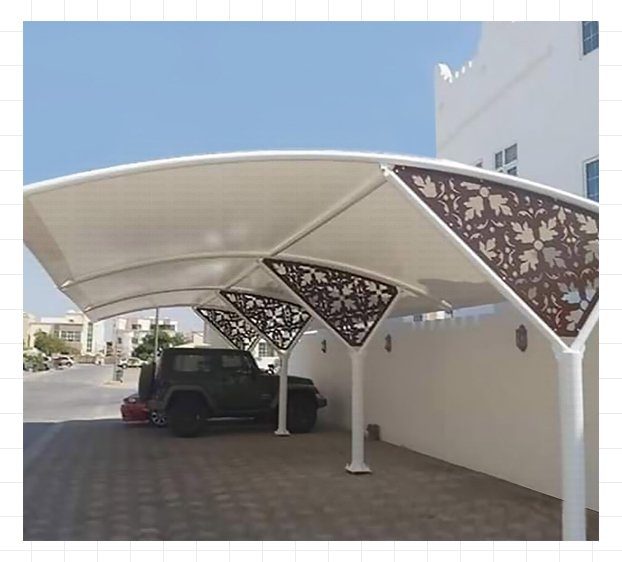
Car parking sheds are structures designed to provide covered parking spaces for vehicles, offering protection from weather elements such as rain, sun, and snow. These sheds are commonly found in residential, commercial, and industrial areas, providing a practical solution for vehicle storage and security. They range from simple, open-sided canopies to more robust and enclosed structures, depending on the needs of the location and the type of vehicles being parked.
Open-Sided Car Parking Sheds: These are the most basic form of parking sheds, typically constructed with a roof supported by pillars or columns, without walls. They offer shelter from the elements while providing an open, easily accessible space for parking. Open-sided sheds are commonly used in residential areas or commercial parking lots where the primary goal is to shield vehicles from the sun or rain.
Enclosed Car Parking Sheds: These parking sheds offer greater security and protection for vehicles, as they are fully enclosed on all sides, sometimes with roll-up doors or gates. Enclosed sheds are ideal for locations where enhanced security is needed, or when extra protection from extreme weather conditions like snow, hail, or high winds is required.
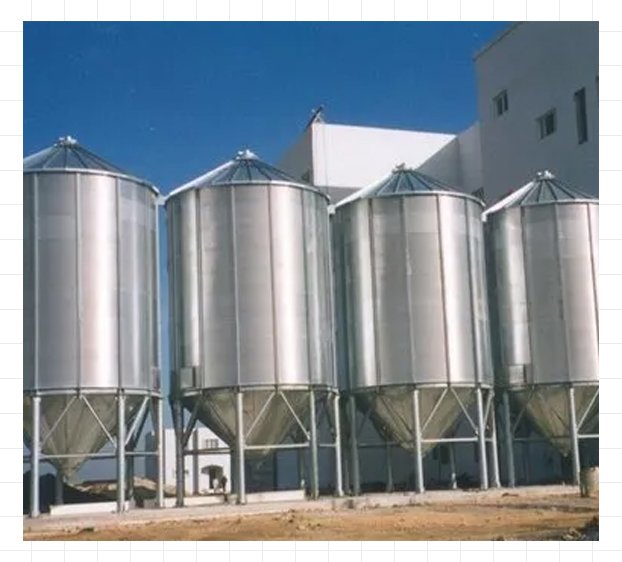
Silos and tanks are large, vertical structures used for storing bulk materials or liquids in various industries, including agriculture, manufacturing, chemical processing, and energy production. Both are essential for efficient storage, handling, and transportation of materials, helping to maintain a steady supply of resources for production and distribution processes. Despite their similar function, silos and tanks differ in design, material, and the type of substances they are typically used to store.
Silos are cylindrical or tower-shaped structures designed primarily for storing bulk materials such as grains, feed, cement, coal, and other dry products. Silos can be found in agricultural, industrial, and food processing sectors, where they store large quantities of raw or processed materials that are needed for further use or transportation.
Grain Silos: These are one of the most common types, used for storing harvested grains like wheat, corn, barley, and rice. They help preserve the quality of the grains by providing a controlled environment that limits moisture and pests.
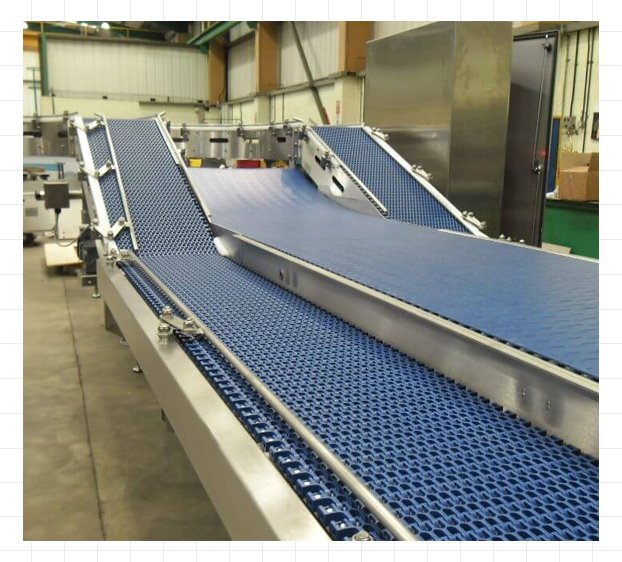
Belt conveyors are essential material handling systems used to transport goods, products, and materials from one location to another within an industrial or manufacturing environment. They are one of the most commonly used types of conveyor systems due to their simplicity, efficiency, and versatility. Belt conveyors are found in various industries, including mining, food processing, automotive, packaging, and warehousing, providing an effective means of moving products, raw materials, and components.
A belt conveyor consists of a continuous loop of belt material that moves along two or more pulleys (also known as drums). The belt is driven by a motorized pulley, which turns the belt and causes it to move. The material to be transported is placed on the moving belt, which carries it along the conveyor path. As the belt loops around the pulleys, the material is either deposited at specific locations or carried further along the belt to another destination.
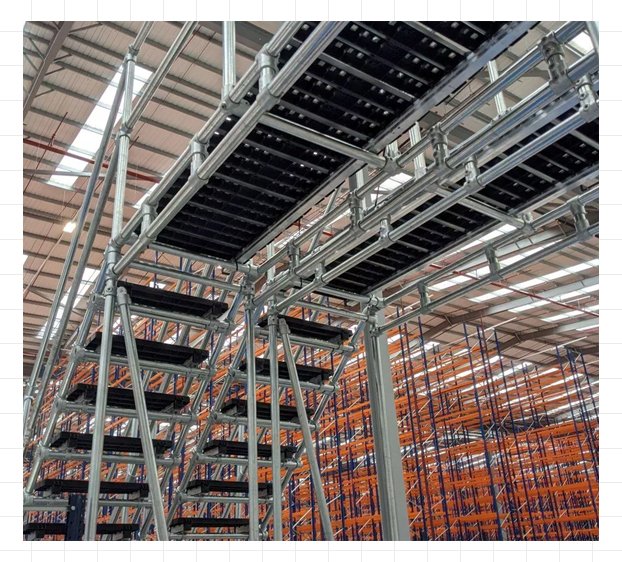
Platforms are elevated surfaces or structures designed to provide a stable, accessible area for various purposes. They are widely used in different industries, including construction, transportation, manufacturing, and even in everyday settings like retail stores or public spaces. Platforms can vary in size, design, and function, depending on their intended use, whether for human access, equipment placement, or material storage.
Scaffold Platforms: These are temporary structures used during the construction or renovation of buildings. Scaffolding platforms are made of metal frames and wooden or metal boards and can be assembled and disassembled as needed.
Raised Work Platforms: These are stationary platforms used for working at elevated levels. They are often used in warehouses or factories to reach high shelves, machinery, or equipment. Examples include mezzanines, platforms in factories, or maintenance platforms for equipment.
Civil Construction refers to the branch of construction that deals with the design, building, and maintenance of infrastructure and large-scale projects that are essential to the public and private sectors. Civil construction encompasses a wide range of projects, from roads, bridges, and dams to airports, utilities, and residential complexes. The primary goal of civil construction is to develop and maintain the infrastructure that supports daily life, economic activities, and social development.
Residential and Commercial Buildings: Civil construction plays a crucial role in creating homes, offices, retail spaces, and multi-story buildings. This includes the construction of new buildings as well as the renovation, restoration, or expansion of existing ones. Projects may involve architectural design, structural engineering, plumbing, electrical systems, and finishing work.
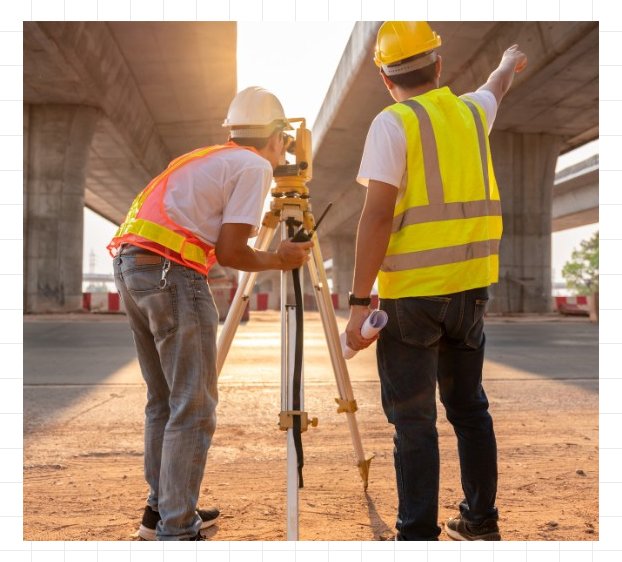
Roads and Highways: Building and maintaining roads and highways is a critical part of civil construction. This includes everything from rural roads to major urban expressways. Road construction involves land surveying, excavation, laying foundations, paving, and installing drainage systems.
Bridges and Overpasses: The construction of bridges, overpasses, and underpasses is another significant aspect of civil engineering. These structures require careful design and engineering to ensure they can support heavy traffic loads and withstand environmental challenges like weather and seismic activity.
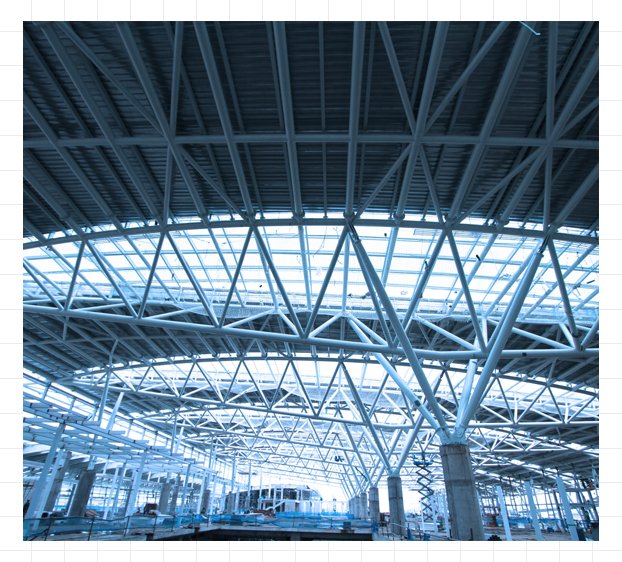
Steel Structure refers to a construction framework primarily made from steel, used for supporting and providing the shape to buildings, bridges, and other structures. Steel is an ideal material for structural frameworks because it combines strength, durability, and flexibility. It is widely used in the construction of industrial facilities, commercial buildings, bridges, and more. Steel structures can be prefabricated, which allows for faster construction and high-quality results.
Beams: Horizontal structural elements that transfer loads from the roof, floors, and other parts of the structure to vertical supports like columns.
Columns: Vertical supports that bear the weight of the beams and other elements above, transferring the load to the foundation.
Girders: Large horizontal beams that support smaller beams or spans, often found in large buildings and bridges.
Trusses: A framework of beams arranged in triangular shapes. Trusses are often used for large-span roofs or bridges because they provide strength and stability.
Braces: Steel rods or beams used to provide lateral support and prevent sway or movement, especially in high-rise buildings or areas prone to seismic activity.
Steel Plates: These are flat, solid pieces of steel used for various purposes, such as reinforcing structural components, providing surface protection, or serving as base plates for columns.
Steel Fasteners: Bolts, nuts, and rivets that are used to connect steel components. Welding is also commonly used to join steel pieces.
Steel Decking: Steel plates or sheets that form the base of floors or roofs. These are typically used in conjunction with concrete to create a composite slab structure.






Address : Office No #AH36, Business Oasis 2-Umm Al Thuoob-Emirates of Umm Al Quwain - United Arab Emirates.
Phone : +971 50 213 9403
Email : info@leopardcontracting.ae
Website : www.leopardcontracting.ae